Say Goodbye To Pond Weeds
Say Goodbye to Pond Weeds
Pond weeds can be a major nuisance, choking out your fish and making your pond look unsightly. But there are ways to get rid of them, both natural and chemical.
In this blog post, we'll discuss the different types of pond weeds, how they grow, and how to get rid of them. We'll also provide some tips on how to prevent them from coming back.
What are Pond Weeds?
There are many different types of pond weeds, but some of the most common include:
- Blanket weed: This weed forms a thick mat on the surface of the pond, blocking out sunlight and making it difficult for fish to breathe.
- Duckweed: This weed is small and floating, and it can quickly cover the entire surface of the pond.
- Moss: This weed can grow on the sides and bottom of the pond, and it can make it difficult to see the fish.
- Water lilies: These plants are beautiful, but they can also be invasive, spreading quickly and crowding out other plants.
How Do Pond Weeds Grow?
Pond weeds grow best in warm, sunny water. They get their nutrients from the water, and they can also get nutrients from fish waste.
When pond weeds start to grow, they can quickly take over a pond. This is because they have a short life cycle, and they can produce a lot of seeds.
How to Get Rid of Pond Weeds
There are a number of ways to get rid of pond weeds. Some of the most common methods include:
- Hand-picking: This is the most labor-intensive method, but it's also the most effective. Simply reach into the pond and remove the weeds by hand.
- Scooping: This method is similar to hand-picking, but you use a net or scoop to remove the weeds.
- Draining the pond: This is a drastic measure, but it's effective if you have a serious weed problem. Drain the pond, remove the weeds, and then refill the pond.
- Using chemicals: There are a number of chemicals that can be used to kill pond weeds. However, it's important to use these chemicals carefully, as they can also harm fish and other plants.
Preventing Pond Weeds
The best way to prevent pond weeds is to take steps to keep your pond healthy. This includes:
- Keeping the water clean: This means regularly changing the water and removing any debris.
- Keeping the water balanced: This means maintaining the proper levels of pH, alkalinity, and hardness.
- Avoiding overfeeding your fish: Fish waste can provide nutrients for pond weeds, so it's important to feed your fish the correct amount.
Tips for Getting Rid of Pond Weeds
- Start early: The sooner you start treating your pond for weeds, the easier it will be to get rid of them.
- Be persistent: It may take several treatments to completely get rid of pond weeds.
- Be careful with chemicals: Use chemicals carefully, and always follow the directions on the label.
Conclusion
Pond weeds can be a nuisance, but they're not impossible to get rid of. By following the tips in this blog post, you can keep your pond weed-free and enjoy your beautiful pond for years to come.
If you're looking for a way to get rid of pesky pond weeds, you've come to the right place. Garden Wiki is a comprehensive resource for everything you need to know about pond weed killers.
On Garden Wiki, you'll find information on the different types of pond weed killers available, as well as tips on how to choose the right one for your needs. You'll also learn about the different methods of applying pond weed killers, and how to safely and effectively use them.
In addition to its informative articles, Garden Wiki also offers a variety of resources, including a pond weed killer buyer's guide, a list of frequently asked questions, and a forum where you can ask questions and get advice from other pond owners.
So whether you're a seasoned pond owner or you're just getting started, Garden Wiki is the perfect place to learn everything you need to know about pond weed killers.
FAQ of pond weed killer
1. What is pond weed killer?
Pond weed killer is a type of herbicide that is used to control the growth of aquatic weeds in ponds, lakes, and other water bodies. It can be applied to the water, to the weeds themselves, or to the shoreline.
2. What are the different types of pond weed killer?
There are two main types of pond weed killer: contact herbicides and systemic herbicides. Contact herbicides kill the weeds on contact, while systemic herbicides are absorbed by the weeds and kill them from the inside out.
3. How do I choose the right pond weed killer?
The best way to choose the right pond weed killer is to identify the type of weeds you are dealing with. Some herbicides are more effective against certain types of weeds than others. You should also consider the size of your pond and the depth of the water.
4. How do I apply pond weed killer?
The application method for pond weed killer will vary depending on the type of herbicide you are using. Contact herbicides are typically applied to the water, while systemic herbicides can be applied to the weeds themselves or to the shoreline.
5. What are the safety precautions for using pond weed killer?
It is important to follow all safety precautions when using pond weed killer. These precautions will vary depending on the type of herbicide you are using. However, some general safety precautions include wearing gloves, long sleeves, and eye protection when applying the herbicide. You should also avoid contact with the herbicide and wash your hands thoroughly after application.
Image of pond weed killer
Here are 5 different images of "pond weed killer" from Pinterest:
- Image of a bottle of Tsunami DQ Aquatic Herbicide. This herbicide is a concentrated liquid that kills surface and submerged weeds.

- Image of a bag of Sludge Hammer Aquatic Weed Control. This product is a granular herbicide that controls a variety of aquatic weeds, including duckweed, watermilfoil, and coontail.
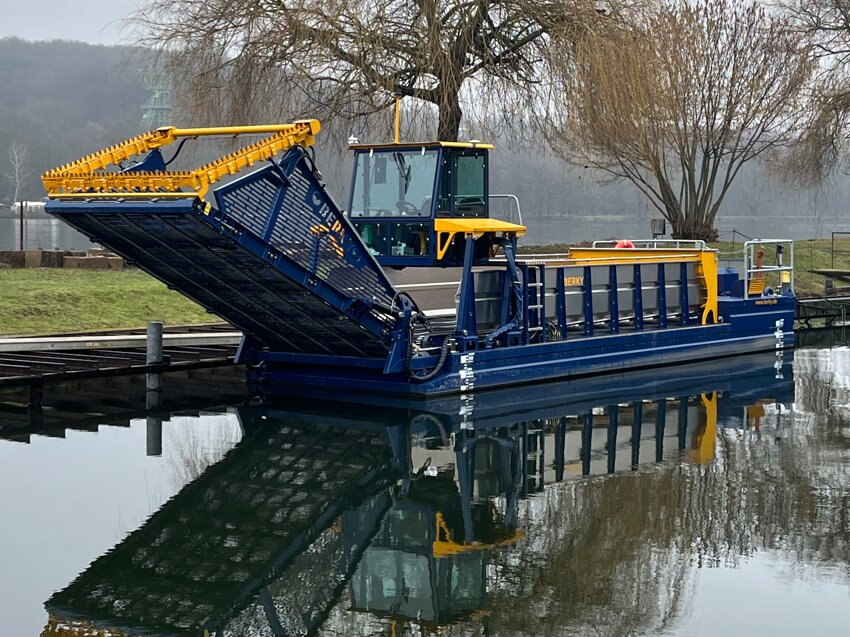
- Image of a can of Pondmaster Aquatic Weed Killer. This herbicide is a liquid that kills a variety of aquatic weeds, including waterlilies, pondweed, and hydrilla.
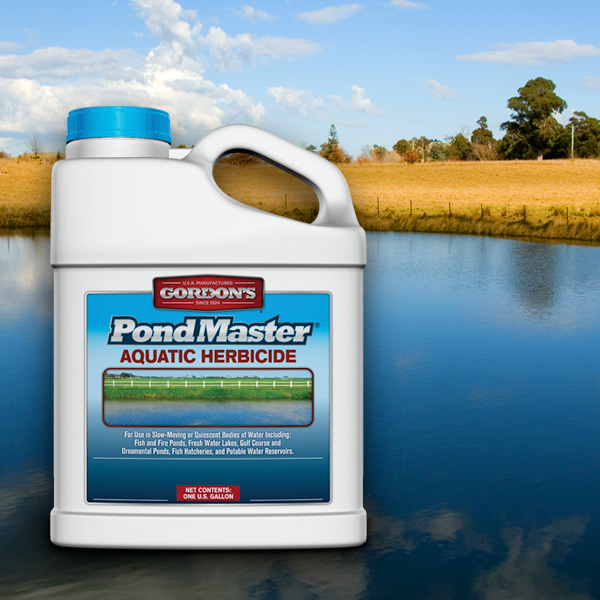
- Image of a bottle of Ortho Weed B Gone for Ponds. This herbicide is a liquid that kills a variety of aquatic weeds, including duckweed, watermilfoil, and coontail.
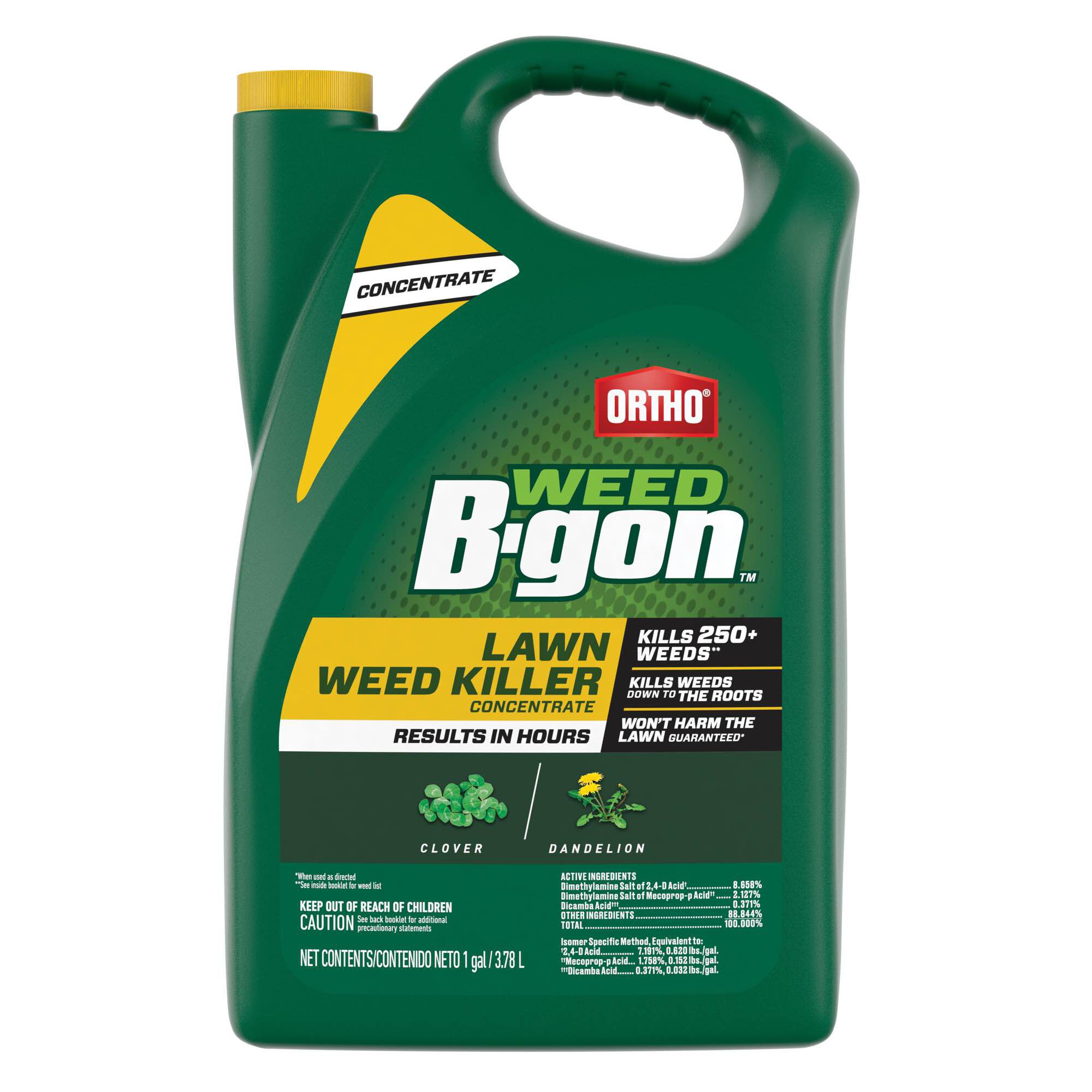
- Image of a bottle of SeaChem Excel Aquatic Plant Growth Enhancer. This product is not technically a weed killer, but it can help to control the growth of algae and other aquatic plants.


Post a Comment for "Say Goodbye To Pond Weeds"