The Ultimate Guide To Sweet Potato Companion Planting
The Ultimate Guide to Sweet Potato Companion Planting
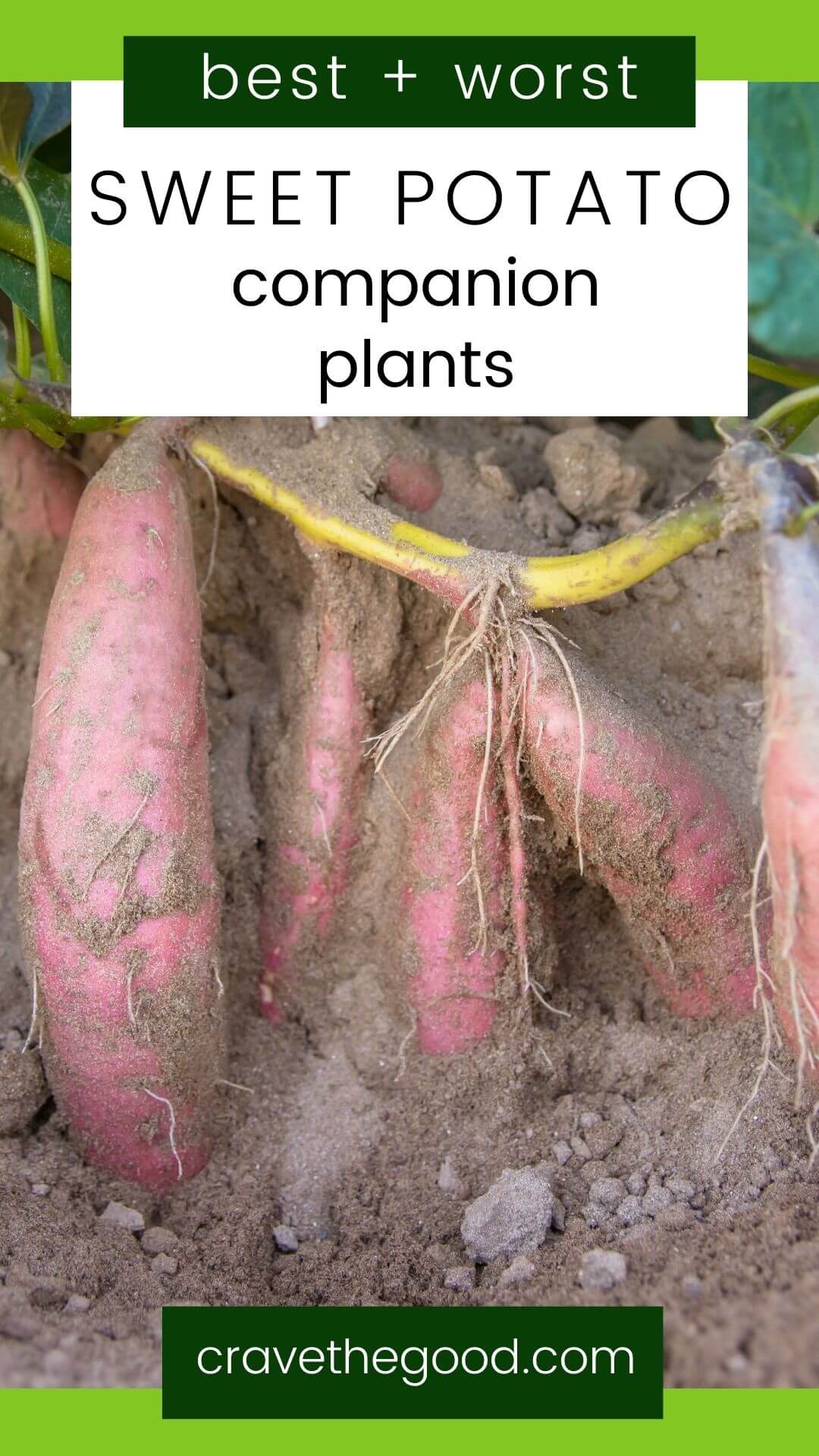
Sweet potatoes are a delicious and versatile vegetable that can be grown in a variety of climates. They are also relatively easy to care for, making them a good choice for beginner gardeners.
One of the best ways to improve the health and productivity of your sweet potato plants is to plant them with companion plants. Companion planting is the practice of planting different types of plants together in order to benefit each other. There are many different companion plants that can be beneficial for sweet potatoes, but some of the best include:
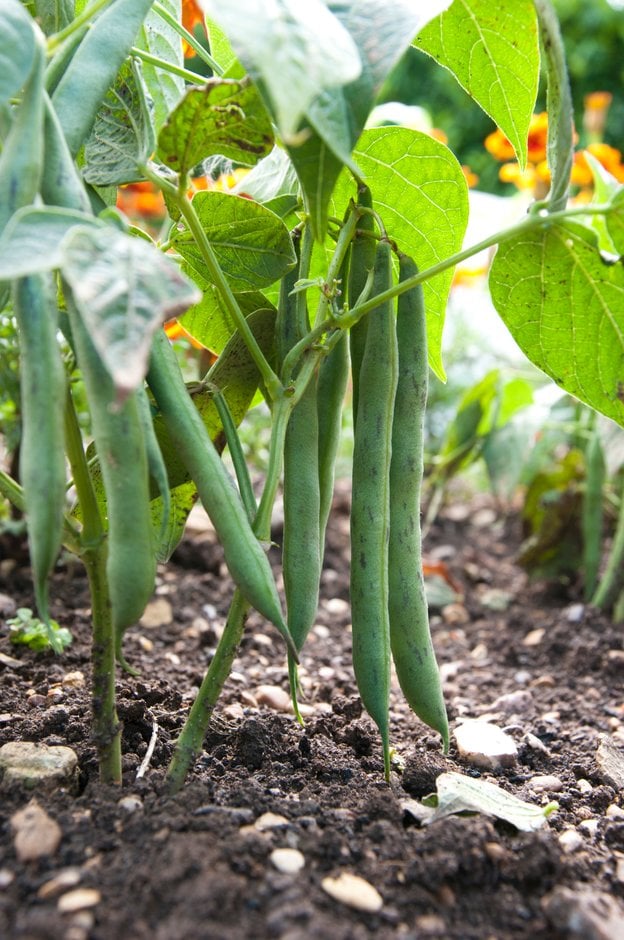
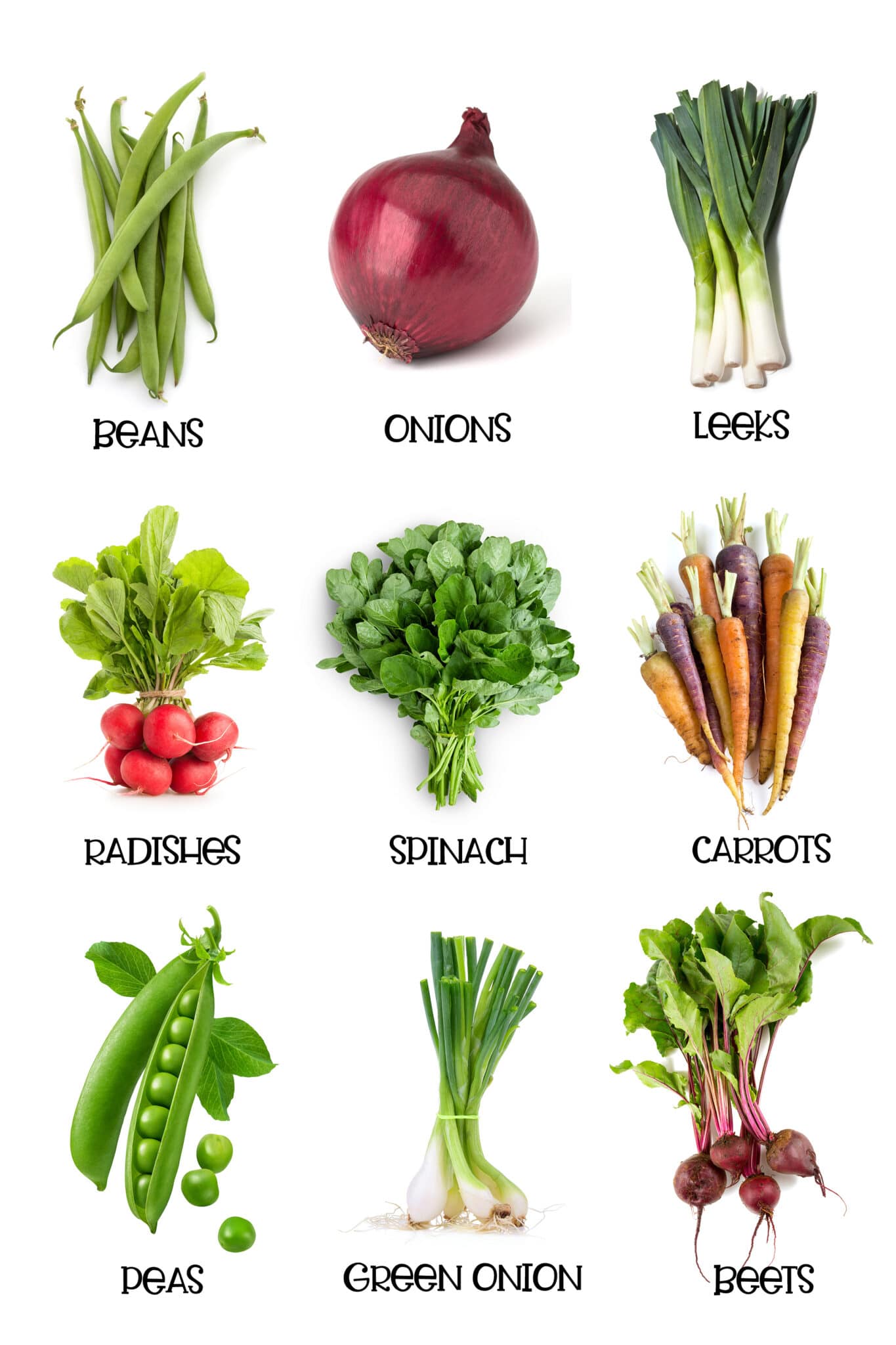
- Beans: Beans are legumes, which means they can fix nitrogen in the soil. This is beneficial for sweet potatoes, as they require a lot of nitrogen to grow. Beans can also help to suppress weeds and pests.
-(2).jpg)
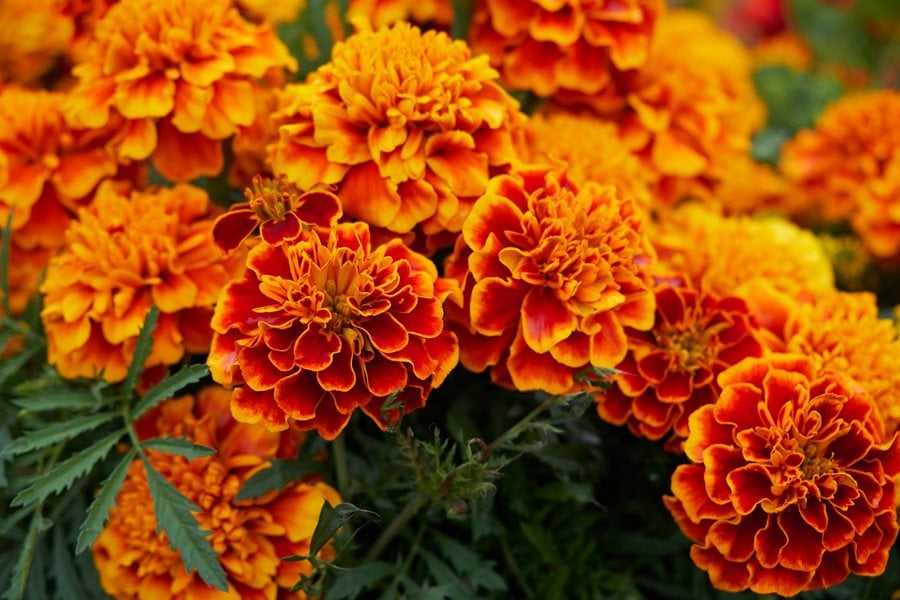
- Marigolds: Marigolds have a strong scent that repels pests such as aphids, beetles, and nematodes. They can also attract beneficial insects such as ladybugs and hoverflies, which help to control pests.
- Nasturtiums: Nasturtiums are another type of plant that repels pests. They are also edible, so you can enjoy them in your salads or sandwiches.

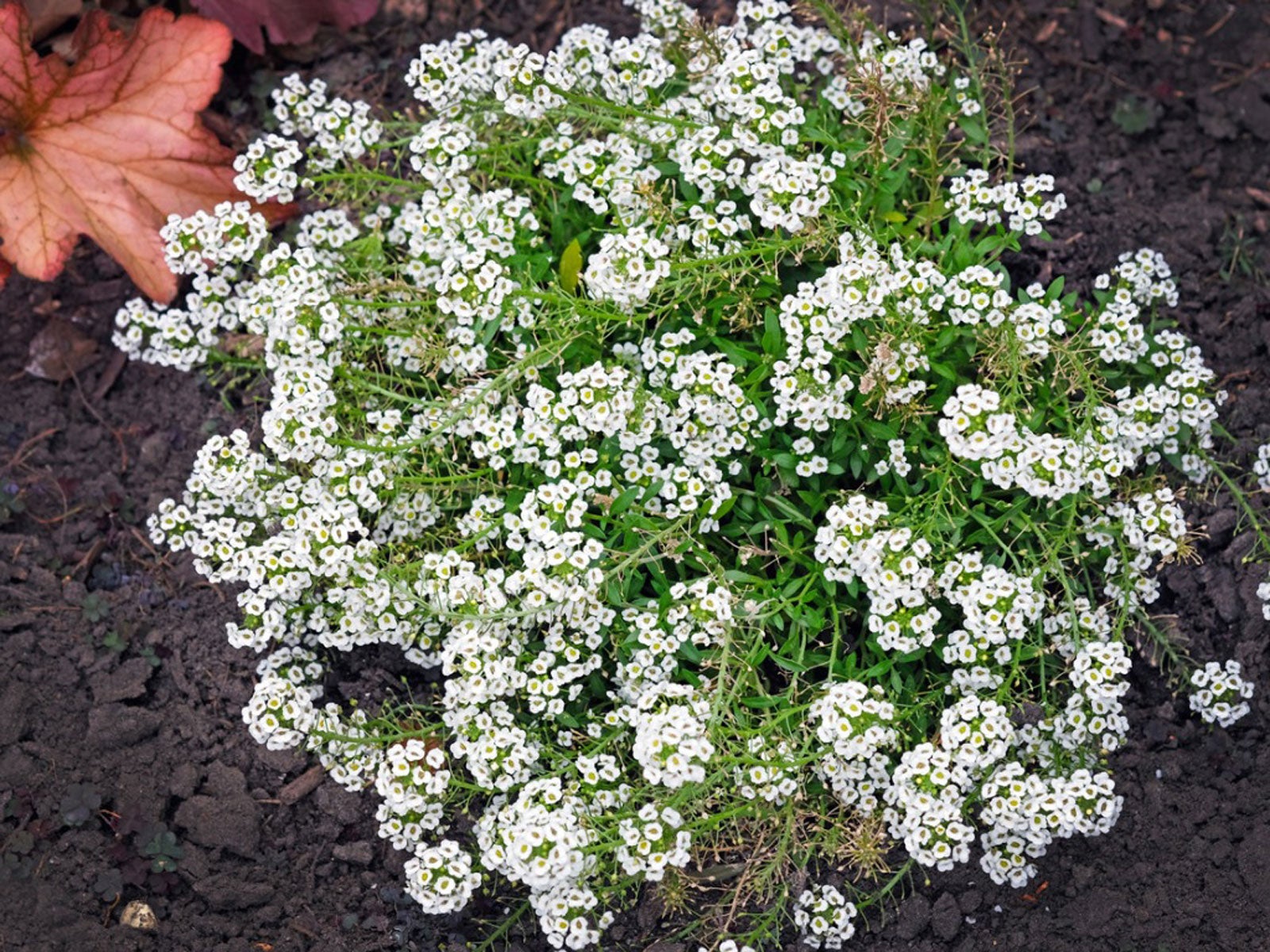
- Alyssum: Alyssum is a flowering plant that attracts beneficial insects such as bees and butterflies. These insects help to pollinate your sweet potato plants, which can lead to a better harvest.
- Yarrow: Yarrow is a medicinal herb that can help to improve the health of your sweet potato plants. It is also a good source of nectar for pollinators.

- Spinach: Spinach is a leafy green that can help to suppress weeds and improve the drainage of the soil. This is beneficial for sweet potatoes, as they prefer well-drained soil.
In addition to these plants, there are a few other companion plants that can be beneficial for sweet potatoes. These include:
- Cucumbers: Cucumbers can help to shade the soil around your sweet potato plants, which can help to keep the soil cool and moist.
- Peas: Peas are another type of legume that can fix nitrogen in the soil. They can also help to suppress weeds.
- Potatoes: Potatoes are not closely related to sweet potatoes, but they can be planted together. Potatoes can help to suppress weeds, and they can also provide shade for the sweet potato plants.

When choosing companion plants for your sweet potatoes, it is important to consider the size and growth habits of the plants. For example, you would not want to plant a large plant such as a sunflower next to a small plant such as a sweet potato. You also want to make sure that the plants have similar water and sunlight requirements.
Companion planting is a great way to improve the health and productivity of your sweet potato plants. By planting them with the right companion plants, you can help to protect them from pests and diseases, improve the drainage of the soil, and increase your harvest.
Sweet potatoes are a delicious and versatile vegetable that can be grown in many different climates. But did you know that there are certain plants that can help to improve the growth and health of your sweet potatoes? These are known as "sweet potato companion plants."
Some of the best sweet potato companion plants include:
- Beans: Beans are nitrogen-fixing plants, which means they can help to improve the nitrogen content of the soil. This is beneficial for sweet potatoes, as they need nitrogen to grow well.
- Marigolds: Marigolds help to repel pests, such as aphids and nematodes. This can help to protect your sweet potatoes from damage.
- Nasturtiums: Nasturtiums also help to repel pests, and they can also attract beneficial insects, such as ladybugs.
- Spinach: Spinach is a ground cover plant that can help to suppress weeds. This can help to reduce competition for water and nutrients, which can benefit your sweet potatoes.
If you're interested in learning more about sweet potato companion plants, I recommend visiting the website Gardenia Inspiration. This website has a comprehensive list of companion plants for sweet potatoes, as well as information on how to plant and care for them.
FAQ of sweet potato companion plants
Q: What are the best companion plants for sweet potatoes?
A: Some of the best companion plants for sweet potatoes include:
- Pole beans: Pole beans are nitrogen-fixing plants, which means they add nitrogen to the soil. This is beneficial for sweet potatoes, as they are heavy feeders.
- Peas: Peas are also nitrogen-fixing plants, and they can help to suppress weeds.
- Onions: Onions have a strong scent that can repel pests, such as the Colorado potato beetle.
- Marigolds: Marigolds are another insect-repelling plant. They can also help to improve the drainage of the soil.
- Cucumbers: Cucumbers and sweet potatoes can be planted together because they have similar growing requirements.
Q: How do companion plants benefit sweet potatoes?
A: Companion plants can benefit sweet potatoes in a number of ways, including:
- Improving soil quality: Some companion plants, such as beans and peas, are nitrogen-fixing plants. This means that they add nitrogen to the soil, which is beneficial for sweet potatoes.
- Suppressing weeds: Some companion plants, such as marigolds and cucumbers, can help to suppress weeds. This can save you time and effort in weeding your garden.
- Attracting pollinators: Some companion plants, such as sunflowers and nasturtiums, attract pollinators. This can help to improve the pollination of your sweet potatoes, which can lead to a higher yield.
- Reducing pests: Some companion plants, such as onions and garlic, have a strong scent that can repel pests. This can help to protect your sweet potatoes from pests, such as the Colorado potato beetle.
Q: What are some plants that should not be planted near sweet potatoes?
A: Some plants that should not be planted near sweet potatoes include:
- Tomatoes: Tomatoes and sweet potatoes are both susceptible to the same diseases, so planting them together can increase the risk of disease.
- Potatoes: Potatoes and sweet potatoes are both members of the nightshade family, and planting them together can lead to cross-pollination. This can make it difficult to identify sweet potatoes when they are harvested.
- Eggplants: Eggplants and sweet potatoes are both susceptible to the same pests, so planting them together can increase the risk of pest infestation.
Q: How far apart should sweet potatoes be planted?
A: Sweet potatoes should be planted about 18 inches apart. This will give them enough space to grow and spread their vines.
Q: When should sweet potatoes be harvested?
A: Sweet potatoes are ready to harvest when the vines start to die back. You can dig them up with a shovel or garden fork.
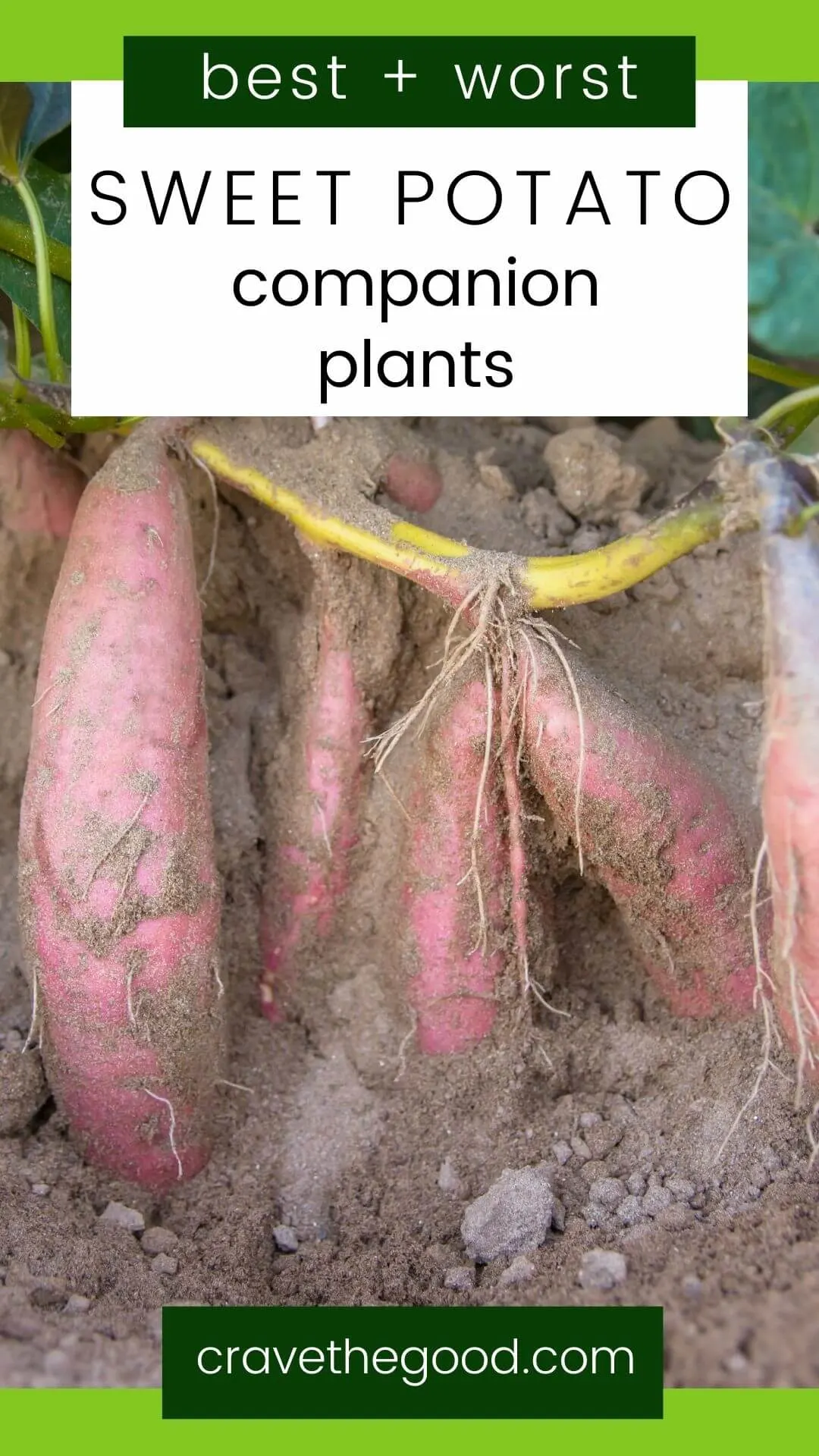
Image of sweet potato companion plants
5 different images of "sweet potato companion plants" from Pinterest:
- Beans: Beans fix nitrogen in the soil, which benefits the sweet potatoes.
- Marigolds: Marigolds repel pests, such as aphids and whiteflies, which can damage sweet potatoes.
- Nasturtiums: Nasturtiums attract beneficial insects, such as ladybugs and lacewings, which help to control pests.
- Alyssum: Alyssum attracts pollinators, such as bees and butterflies, which help to pollinate the sweet potato flowers.
- Yarrow: Yarrow deters nematodes, which can damage sweet potato roots.
-(2).jpg&description=The Ultimate Guide To Sweet Potato Companion Planting)
Post a Comment for "The Ultimate Guide To Sweet Potato Companion Planting"